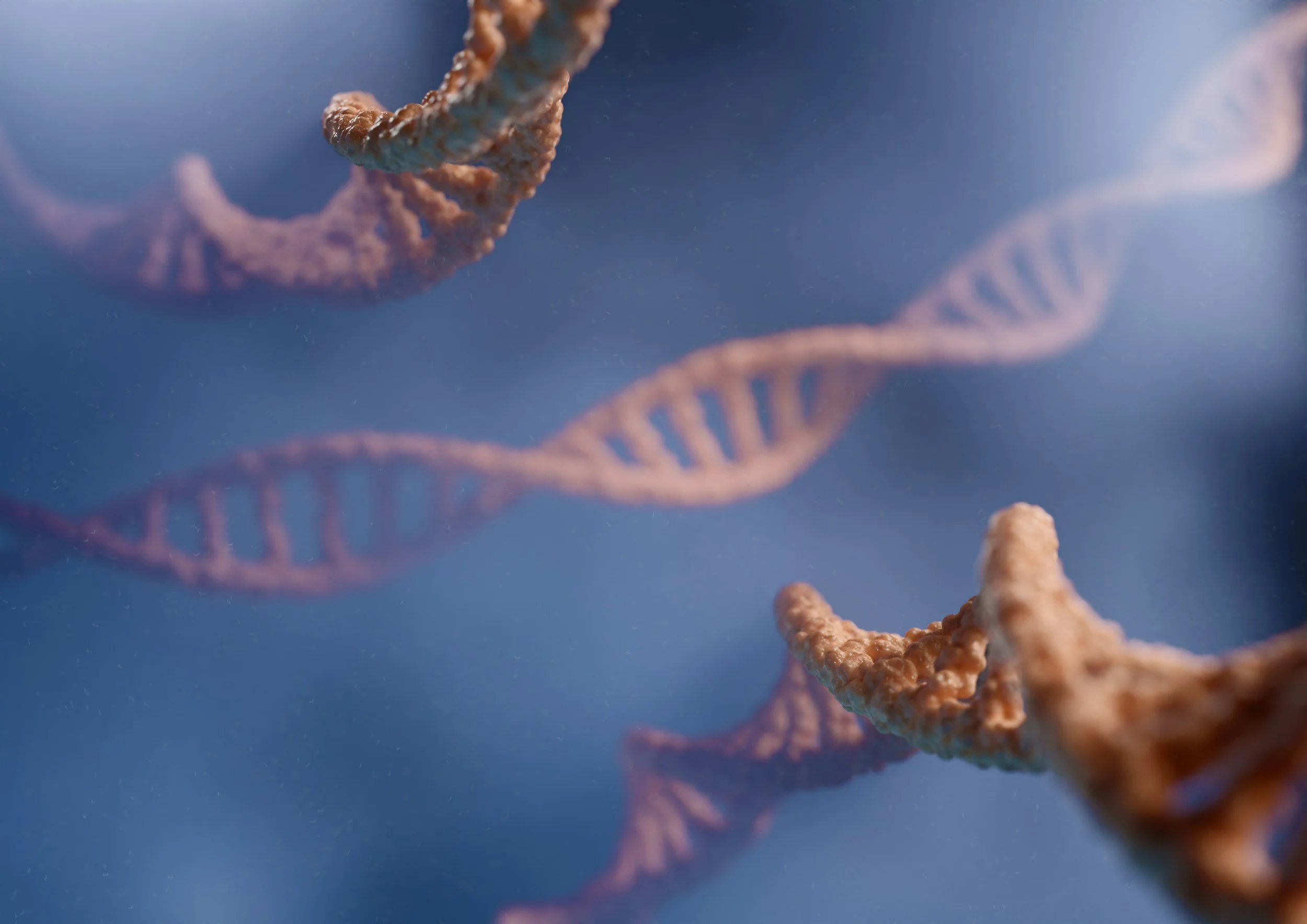

Many women in their forties ask whether their menopause will mirror their mother's. The research suggests that genetics play a meaningful part, but they are only one part of the picture.
What the genetic studies show
The largest genetic study of menopause timing published to date, from 2021, analysed data from over 200,000 women. Researchers identified 290 genetic regions associated with age at natural menopause, with individual effects ranging from a few weeks to more than three years. Many of these genes are involved in repairing damaged DNA, which suggests that how well the body protects and maintains its eggs over time helps to determine when menopause begins. Three genes stand out.
CHEK2 works as a quality-control checkpoint in egg cells. When an egg's DNA is damaged, this gene signals for that egg to be removed. Women with a non-working CHEK2 gene reached menopause around 3.49 years later than other women. However, a later menopause is not automatically beneficial, because CHEK2 is a tumour-suppressor gene, and certain CHEK2 mutations increase the risk of various cancers.
BRCA2 is best known for its link to breast cancer, but it also affects ovarian ageing. Women with loss-of-function mutations in this gene reached menopause 1.54 years earlier on average than women without them.
TACR3 is associated with hot flushes rather than with timing. This gene produces a receptor in the brain's temperature-control centre. A 2026 study of nearly 150,000 women confirmed it as the strongest genetic signal for hot flushes found so far. In one group analysed, 57% of women with two protective copies of the gene experienced hot flushes, compared with 80% of women with two higher-risk copies.
Where diet and lifestyle come in
No study has yet shown for definite that diet can switch these particular genes on or off. However, because so many menopause genes relate to DNA damage and repair, it makes sense to look at the everyday factors that add to or reduce that damage.
Smoking has the clearest evidence. In a pooled analysis of 17 studies, current smokers had around twice the risk of premature and early menopause, although women who had quit for more than ten years had a similar risk to those who had never smoked.
Diet does appear to matter. A University of Leeds study of British women found that each daily portion of oily fish was associated with menopause arriving 3.3 years later and each daily portion of fresh legumes with 0.9 years later, while refined pasta and rice were associated with menopause arriving 1.5 years earlier. Interestingly, vegetarian women reached menopause around 0.8 years earlier than non-vegetarians, which suggests that animal proteins play a role in DNA changes and menopause onset.
The researchers proposed a possible explanation. The development and release of eggs can be harmed by reactive oxygen species, which are unstable molecules that damage cells, and the antioxidants in legumes and the omega-3 fats in oily fish may help to counter this. This is a plausible theory rather than a proven one, but it supports building your diet around whole foods such as vegetables, fruit, legumes, oily fish, nuts, seeds and wholegrains, while limiting ultra-processed foods, refined carbohydrates and other foods that promote inflammation.
For hot flushes, a small trial found that women following a low-fat, plant-based diet that included half a cup of cooked soybeans daily saw total hot flushes fall by 79%, compared with 49% in the control group, over 12 weeks.
The bottom line
Your genes may influence when menopause arrives and how strongly you feel it, but they do not determine the whole experience. Not smoking, eating a varied whole food diet rich in oily fish and legumes, and keeping processed foods to a minimum are sensible, evidence-informed steps, and personalised nutritional support can help you apply them to your own situation.
If you are interested in genetic testing so that you can optimise your diet, lifestyle and/or menopause journey, get in touch and I can order and interpret your personal genetics, then put together a plan that works with the results to enhance your health and longevity.