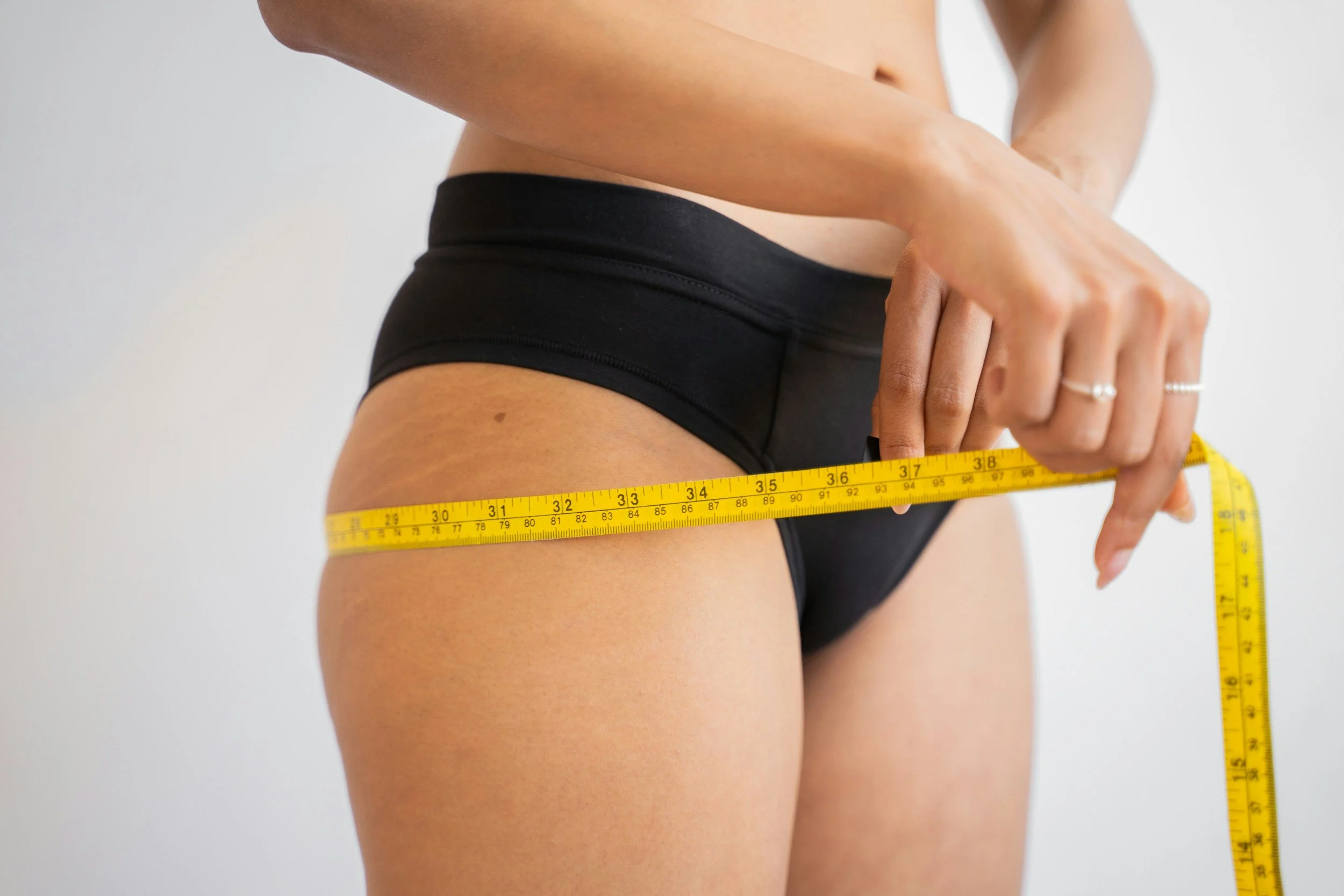
How to lose weight in perimenopause without restricting calories
If you have been eating less and exercising more and still not losing weight, you are not doing it wrong. You are using the right tool for the wrong problem.
Perimenopausal weight gain is not primarily a calorie problem. It is a hormonal and metabolic problem. And applying a calorie-deficit solution to a hormonal and metabolic problem produces, at best, temporary results and, at worst, makes the underlying drivers worse.

What happens to your brain in menopause?
Ever walked into a room and completely forgotten why you are there? Or spent thirty seconds searching for a word you use every day?
If so, you are not alone - and you are not imagining it.
A 2026 study from the University of Cambridge confirmed what many women have long suspected: menopause is not just a hormonal transition, it is a neurological one. Researchers found measurable changes in the brain during menopause, including reductions in grey matter in areas associated with memory, emotional regulation, and cognitive function.
In simple terms, the brain is adapting to a significant drop in oestrogen. That process can show up as brain fog, low mood, anxiety, word-finding difficulties, and disrupted sleep. For years these symptoms were minimised or dismissed. The science is now catching up with women's lived experience.

Should women in menopause eat carbohydrates?
For many women in menopause, the frustration is not what they are eating, it is that the same strategies that once worked suddenly stop delivering results.
Calories are controlled. Ultra-processed foods are reduced. Protein is higher.
And yet weight gain, particularly around the middle, low energy, and stubborn blood sugar issues persist.
One of the most overlooked reasons for this is chronically elevated insulin, and when carbohydrates are eaten can be just as important as how much.
This is not about pushing a ketogenic diet.
But it is about understanding metabolic flexibility, insulin exposure, and how menopausal physiology changes the rules.

Why weight training is essential for women over 30
Many women love activities like yoga, Pilates, and running – and while those are great for flexibility, balance, and cardiovascular health, they just don’t cut it for improving bone strength. Once you hit your 30s, your body naturally starts losing muscle and bone mass if you don’t challenge it. In fact, from around age 30 onward, we gradually lose about 3–5% of our muscle mass per decade. This matters because muscle loss (sarcopenia) and bone loss (osteoporosis) can lead to weakness, fractures, and health issues later in life. The good news is that weight training – lifting weights or doing resistance exercises – can counteract these declines and even build you back stronger.

Why am I so tired in perimenopause? How to get your energy back
Perimenopause fatigue is not ordinary tiredness. It is the kind of exhaustion that persists even after a full night's sleep, makes concentration feel like wading through fog, and leaves you wondering whether this is simply what getting older feels like.
It is not. And it is not something you have to accept.
As a Registered Nutritional Therapist who works primarily with women in perimenopause and menopause, fatigue is one of the most common complaints I hear in clinic. It is also one of the most responsive to targeted nutrition and lifestyle intervention. The key is understanding why it is happening in the first place.

Should women in perimenopause use weight loss drugs like Ozempic?
In the rush to lose weight, many women in perimenopause are turning to drugs like Ozempic and Wegovy. Marketed as quick fixes for stubborn weight, these medications—originally developed to manage type 2 diabetes—work by mimicking a gut hormone (GLP-1) that regulates blood sugar and appetite. While the initial results may seem promising, especially for women struggling with perimenopausal weight gain, there are significant concerns that are often overlooked—particularly around long-term health and hormonal balance.

How to stay healthy for life, not just for January
Every year, millions of people around the world make New Year's resolutions to improve their health. From joining a gym to cutting out sugar or committing to a new diet, these well-intentioned goals are often fleeting, lasting only a few weeks or months. Yet, true health is not about fleeting changes or temporary fixes—it’s about a lifelong commitment to well-being. Health is for life, not just a New Year's resolution.

Why most nutrition research does not apply to women
In recent years, there has been a growing awareness of the importance of gender-specific research in health and nutrition. Traditionally, much of the scientific research has been conducted predominantly on male subjects, often leading to the application of findings to women without adequate consideration of the physiological differences that exist between the sexes. This oversight can have significant implications for women’s health, particularly in the context of nutrition, where hormonal fluctuations play a crucial role.

Is intermittent fasting good for women in perimenopause?
Intermittent fasting has become one of the most widely discussed dietary approaches of the last decade. The 16:8 protocol, the 5:2, time-restricted eating - the variations are numerous, and the promised benefits include weight loss, improved insulin sensitivity, reduced inflammation, and even longevity.
For some people, some of these benefits are real. The problem is that the vast majority of fasting research has been conducted on men, and the findings applied to women without adequate consideration of how differently the female body responds to periods of caloric restriction.
For women in perimenopause specifically, the picture is more complicated still. Here is what you need to know.

What are the downsides of the contraceptive pill?
The contraceptive pill, often hailed as a revolutionary tool for women's reproductive health, is widely used for preventing pregnancy and managing menstrual-related issues such as pain and heavy bleeding... but are we ever fully informed about the potential side effects? And should GPs be handing out this drug as freely as they do, especially for non-pregnancy related symptoms such as acne? In my opinion, no, not without full disclosure of the risks involved.

Can leaky gut affect your progesterone levels?
Leaky gut syndrome has gained increasing attention for its impact on various aspects of health, including hormonal balance. One hormone significantly affected by leaky gut is progesterone, a crucial component in the female reproductive system and overall well-being. Understanding how leaky gut influences progesterone can offer insights into managing hormonal imbalances and supporting gut health for better overall health.
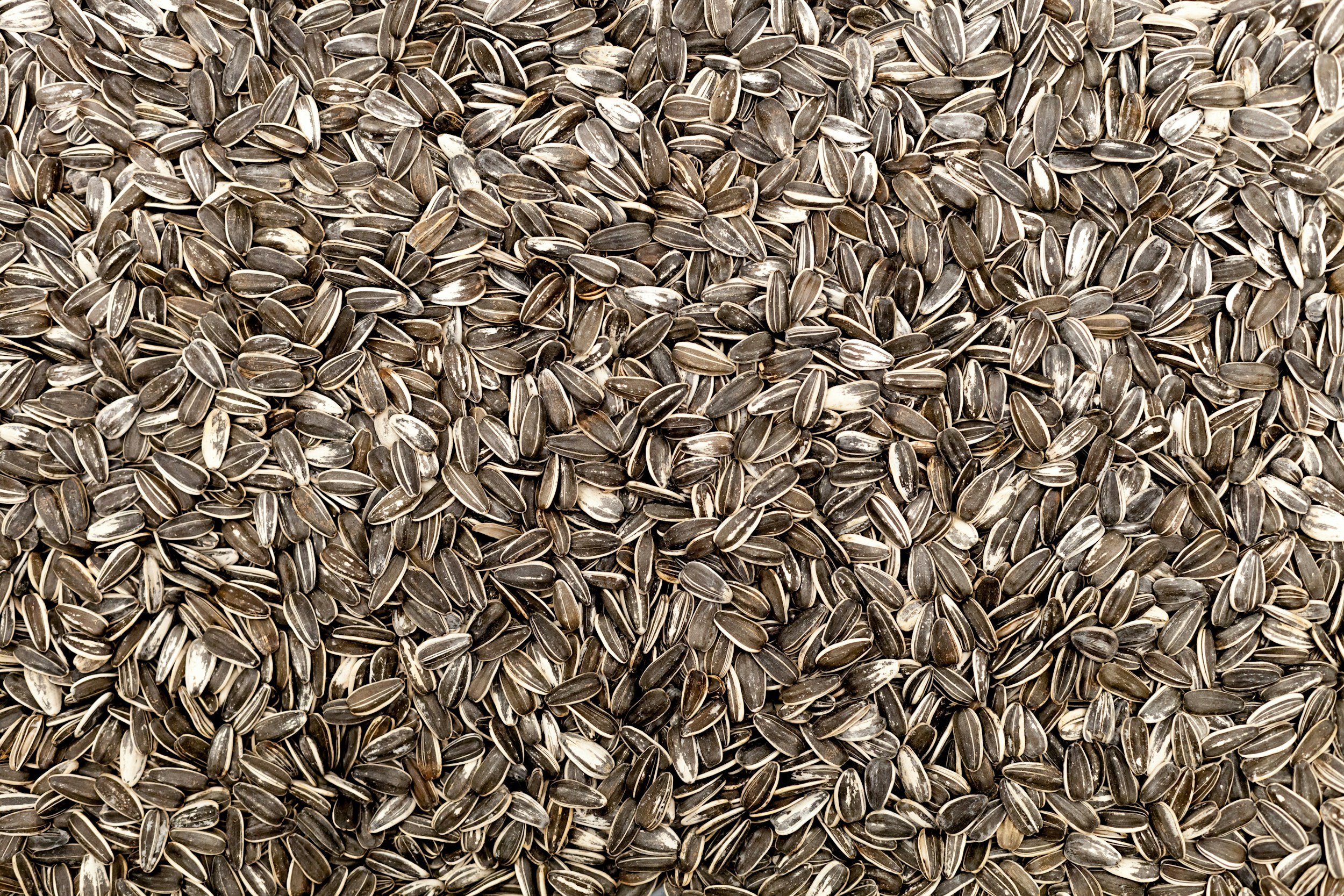
Are seed oils actually bad for you?
The seed oils that tend to be in question at the moment include sunflower, vegetable, rapeseed and safflower, amongst some others. The common trend of thought is that seed oils have a higher level of omega-6 polyunsaturated fat (PUFA) linoleic acid (LA) compared to omega-3, which makes them inflammatory due to increasing arachidonic acid which is pro-inflammatory.

Do menopause supplements actually work? A nutritional therapist's honest guide
Menopause supplements are everywhere, but do they actually work? Registered Nutritional Therapist Daisy Tappenden breaks down the evidence, the marketing, and what to take instead.

How do you balance eating well with a busy work and family life?
In today's fast-paced world, juggling family responsibilities and a hectic work schedule can often make maintaining a healthy lifestyle seem like a daunting task. However, with a strategic approach and a focus on prioritizing wellbeing, it's possible to strike a balance between a demanding job, a brood of children and sustaining a consistently healthy lifestyle.

Can your genetics make you gain body fat?
The perennial debate surrounding the causes of obesity has long intrigued scientists, health professionals, and individuals alike. While diet and lifestyle choices undeniably play pivotal roles in weight management, the influence of genetics on body weight has gained increasing attention in recent years. This blog post aims to explore the intricate relationship between genetics and obesity, delving into the scientific evidence and shedding light on whether our genetic makeup can truly make us fat.

How does my menstrual cycle affect exercise and energy levels?
Did you know that most research on sports nutrition and sports performance in general is done on men? Not a huge surprise in my opinion, but what is baffling is that the research is then just applied to women without any consideration for the massive differences between each gender. From HIIT training to intermittent fasting, most of these dietary or exercise choices were first based on men, and newer research shows that due to the complexities of the female menstrual cycle and hormone fluctuations they may not be so useful to simply be applied as a one-size-fits-all approach.
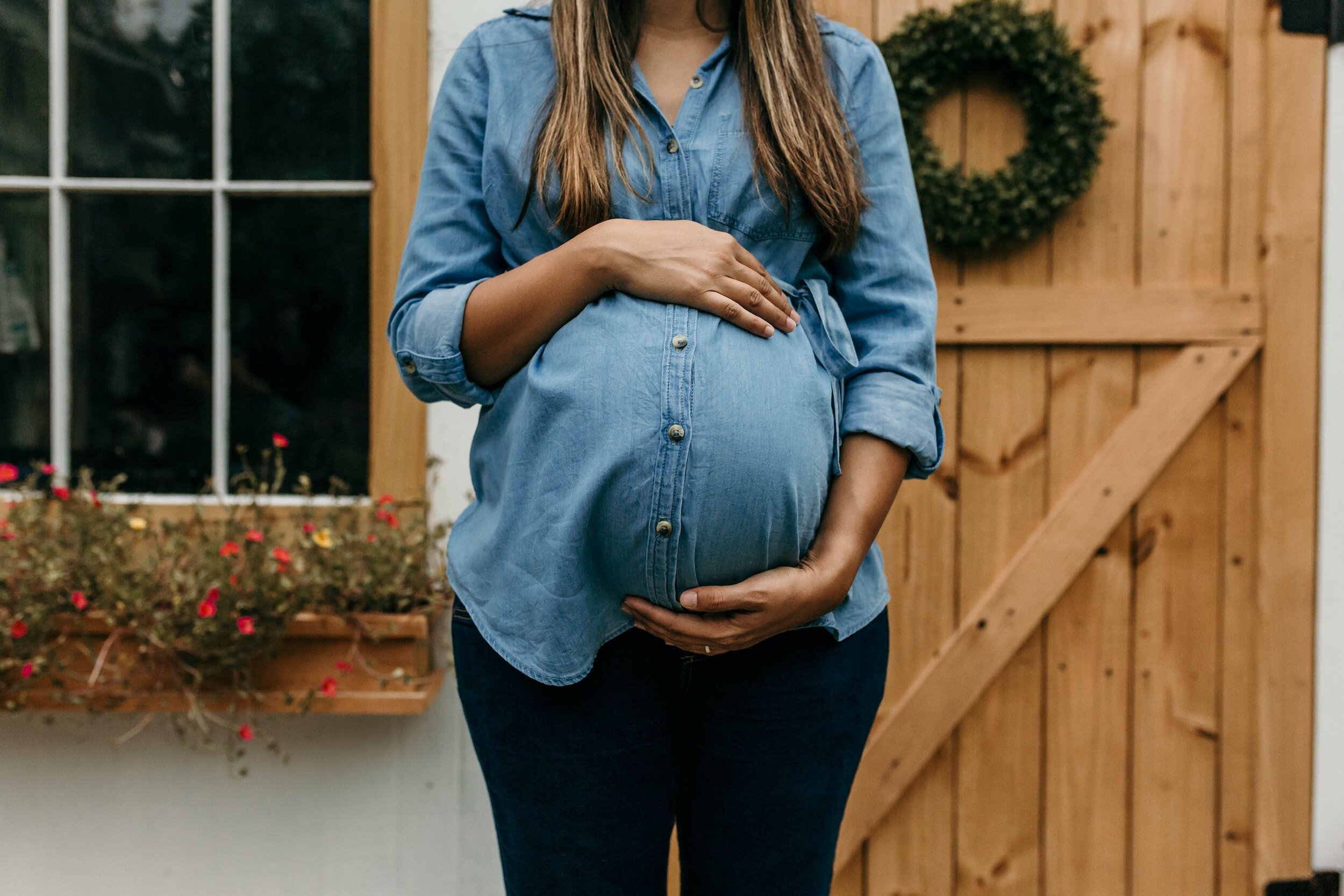
How do I prepare my body for conception?
The journey to parenthood can be one of the most fulfilling experiences in life. However, for some couples, conceiving a child can be a challenging and emotionally taxing process. While there are many factors that influence fertility, nutrition plays a significant role in both male and female reproductive health. Read on to explore the ways in which you can prepare your body for conception with nutrition. Preconception should ideally be a three month process so that your body can adapt and adjust itself to these beneficial nutritional changes.

What is hormone imbalance and what actually causes it?
Hormone imbalance is a term that is thrown around a lot… but what does it really mean? Hormone imbalance is NOT a root cause, but a reaction to other factors. It is no good trying to fix the hormones without fixing the reasons for the hormone changes.
Hormones play a vital role in regulating various bodily functions, from metabolism and mood to growth and reproduction. These chemical messengers are produced by various glands in the endocrine system, and their balance is crucial for overall health and wellbeing. However, hormonal imbalance can occur, leading to a wide range of health issues. In this blog post, we will delve into the reasons why hormone imbalance can occur and their potential effects on the body.

The four types of PCOS and how to support each one
Are you in the 10% of females who has been diagnosed with PCOS? Maybe you have recently been to the doctor and been told you have PCOS because you have irregular or non-existent periods, acne, unwanted hair growth, and/or you struggle to lose weight. It is unlikely the doctor explained to you that there are different types of PCOS, and that means different methods of support.

The importance of eating enough food for weight loss
There is one misconception about weight loss that I see almost daily with new clients. This is the notion that they feel like they need to cut out meals, severely restrict calories and generally just eat like a sparrow to lose weight. It is mind blowing how many social media accounts I see that compare the number of calories of two ‘foods’, usually one being ultra processed with zero nutritional content but with less calories, and the other marginally better in terms of nutrition but with higher calories. The angle of these post is to encourage you to choose the ultra processed option because of its lower calorie content. It’s insane and dangerous to people’s health.